Introduction
Living with rheumatoid arthritis (RA) can make mornings challenging due to joint stiffness and discomfort. Incorporating gentle morning stretches into your daily routine can help improve mobility, reduce stiffness, and enhance overall well-being. This take-anywhere printable guide offers a practical, easy-to-follow list of essential stretches designed specifically for RA patients. Whether you’re at home, traveling, or managing a busy schedule, this guide ensures you can maintain consistency in your stretching routine. With clear instructions, safety tips, and progress-tracking strategies, this resource empowers you to take control of your joint health.
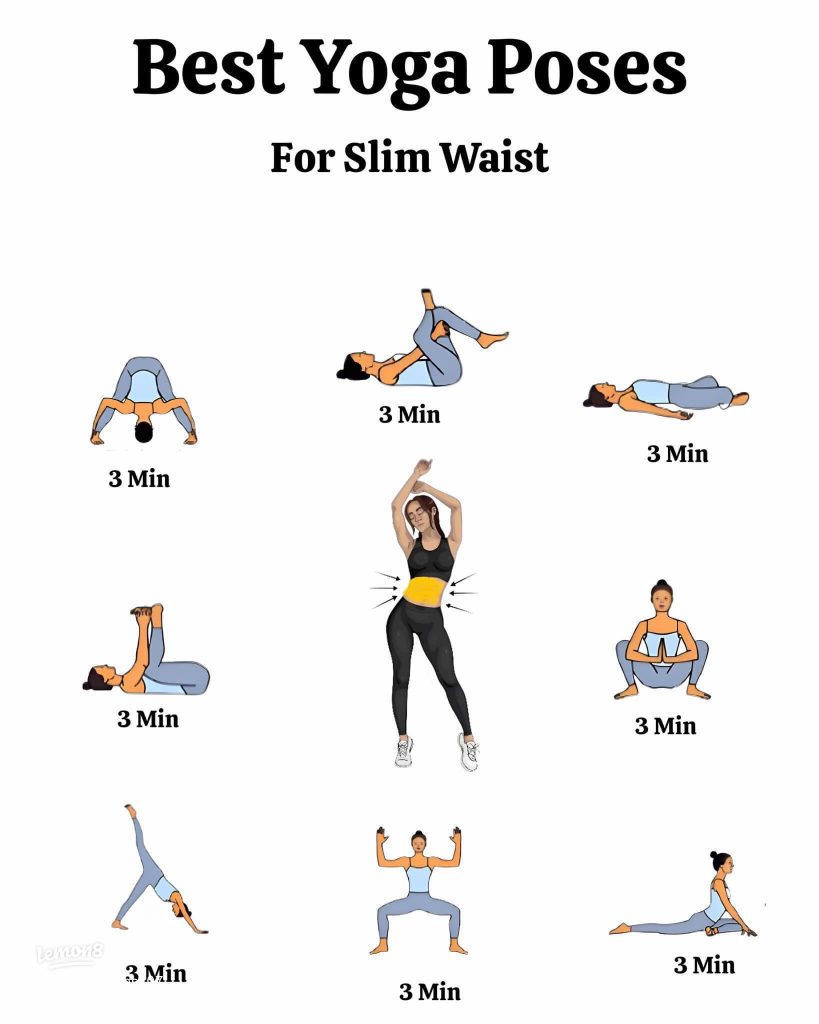
Key Takeaways
- Printable Guide: A portable, concise list of RA-friendly stretches.
- Essential Stretches: Targeted movements for upper body, core, back, and lower body.
- Safety First: Guidelines to ensure safe and effective stretching.
- Implementation Strategies: Tips for building and maintaining a consistent routine.
- Progress Monitoring: Tools to track improvements and adapt as needed.
Understanding the Benefits of Morning Stretches for RA
Morning stretches are particularly beneficial for RA patients because they help counteract the stiffness that often worsens overnight. Gentle movements increase blood flow to joints, reduce inflammation, and improve flexibility. Regular stretching can also enhance mental well-being by promoting relaxation and reducing stress, which is critical for managing RA symptoms. This guide focuses on low-impact, RA-friendly stretches that prioritize safety and comfort. For a deeper dive into RA management, explore our Printable Gentle Morning Stretch Guide for RA section.
Essential Morning Stretches for Rheumatoid Arthritis
The following stretches are designed to target key areas affected by RA: the upper body, core and back, and lower body. Each stretch includes detailed instructions for proper form and safety tips to ensure you move comfortably and avoid injury.
1. Upper Body Stretches
Upper body stretches help loosen tight shoulders and arms, which are common areas of discomfort for RA patients.
Shoulder Rolls
- How to Perform:
- Sit or stand with a relaxed posture.
- Slowly roll your shoulders forward in small, controlled circles for 5 repetitions.
- Reverse the direction and roll backward for 5 more repetitions.
- Keep movements smooth and within a comfortable range.
- Safety Tips:
- Avoid forcing the motion; stay within your comfort zone.
- Stop if you feel pain or discomfort.
- Gradually increase the range as your flexibility improves.
Arm Circles
- How to Perform:
- Extend both arms out to the sides at shoulder height.
- Make small, gentle circles with your arms for 5 repetitions.
- Switch directions and repeat for another 5 repetitions.
- Keep movements slow and controlled.
- Safety Tips:
- Use a chair or wall for balance if needed.
- Focus on smooth, pain-free motions.
- Stop immediately if you experience joint pain.
2. Core and Back Stretches
Core and back stretches improve spinal mobility and reduce tension in the torso, which can alleviate RA-related discomfort.
Gentle Twists
- How to Perform:
- Sit on a chair with your feet flat and maintain good posture.
- Place your hands on your shoulders and gently rotate your upper body to one side.
- Hold for 5 seconds, then return to the center.
- Repeat on the opposite side for a total of 3 repetitions per side.
- Safety Tips:
- Keep movements small to avoid strain.
- Breathe deeply and avoid holding your breath.
- Stop if you feel any sharp pain.
Side Stretches
- How to Perform:
- Stand or sit with a stable base, using a chair or wall for support if needed.
- Raise one arm overhead and gently lean to the opposite side.
- Hold for 5-10 seconds, then return to the starting position.
- Repeat on the other side for a total of 3 repetitions per side.
- Safety Tips:
- Move slowly to maintain control.
- Avoid overstretching or bouncing.
- Use support to prevent balance issues.
3. Lower Body Stretches
Lower body stretches target the hips, knees, and ankles, which are often stiff in RA patients.
Ankle Circles
- How to Perform:
- Sit comfortably in a chair with one foot slightly raised.
- Gently rotate your ankle in a circular motion for 5 repetitions in each direction.
- Switch to the other ankle and repeat.
- Keep movements smooth and controlled.
- Safety Tips:
- Avoid forcing the ankle beyond its natural range.
- Stop if you feel discomfort or pain.
- Use a pillow or cushion for added comfort if needed.
Knee Lifts
- How to Perform:
- Stand with support (e.g., a chair or wall) for balance.
- Slowly lift one knee to a comfortable height, then lower it gently.
- Repeat for 5 repetitions per leg, keeping movements small and controlled.
- Safety Tips:
- Move slowly to maintain stability.
- Avoid high knee lifts that cause discomfort.
- Stop if you experience joint pain.
Implementation Guide for a Consistent Routine
Starting and maintaining a stretching routine can feel daunting, especially with RA’s unpredictable symptoms. This section provides practical strategies to help you build and sustain your practice.
Getting Started
- Start Small: Begin with 5-10 minutes of stretching each morning to avoid overwhelming your body.
- Focus on Form: Prioritize proper technique over intensity to prevent injury.
- Build Consistency: Aim to stretch daily, even if only for a few minutes during flare-ups.
- Track Progress: Use a journal or app to note how you feel after each session.
- Adjust as Needed: Modify stretches based on your symptoms and energy levels.
Building Long-Term Habits
- Set Reminders: Use phone alarms or calendar alerts to prompt your morning routine.
- Create a Routine: Pair stretching with an existing habit, like morning coffee, to make it automatic.
- Find Accountability: Share your goals with a friend or join an RA support group for motivation.
- Celebrate Progress: Acknowledge small milestones, like completing a week of stretches.
- Stay Flexible: Adapt your routine during flare-ups by reducing intensity or duration.
Maintaining Safety
- Set Realistic Goals: Start with achievable targets, such as stretching 3-5 days per week.
- Track Progress: Monitor how your body responds to adjust your routine as needed.
- Stay Motivated: Focus on how stretches improve your daily comfort and mobility.
- Be Patient: Improvements may take weeks, so stay consistent and avoid rushing.
- Adjust for Flare-Ups: Reduce intensity or skip stretches during severe symptoms, resuming when comfortable.
Overcoming Common Challenges
RA patients may face obstacles when starting a stretching routine. Here are solutions to common issues:
- Morning Stiffness: Start with shorter, gentler stretches and gradually increase duration.
- Time Constraints: Break stretches into 2-3 minute sessions throughout the day if mornings are busy.
- Motivation Issues: Set small, achievable goals and reward yourself for consistency.
- Flare-Ups: Pause or modify stretches during flare-ups, focusing on rest and recovery.
- Progress Plateaus: Consult a physical therapist to refine your routine or add new stretches.
Progress Monitoring for Long-Term Success
Tracking your progress helps you stay motivated and make informed adjustments to your routine.
What to Track
- Pain Levels: Note pain before and after stretching to gauge effectiveness.
- Stiffness: Record how stiff joints feel each morning and after stretches.
- Mobility: Track improvements in your range of motion or ease of movement.
- Energy Levels: Monitor how stretching impacts your daily energy and fatigue.
- Overall Well-Being: Note mood, stress levels, and general comfort.
How to Monitor
- Keep a Journal: Write daily entries about your stretching experience and symptoms.
- Use Apps: Try apps like MyFitnessPal or RA-specific trackers to log progress.
- Take Photos/Videos: Document your range of motion to visualize improvements.
- Note Milestones: Celebrate small wins, like reduced stiffness or improved flexibility.
Adaptation Strategies
- Reduce Intensity: Lower the number of repetitions or range of motion during discomfort.
- Shorten Duration: Cut sessions to 5 minutes if time or energy is limited.
- Focus on Gentler Movements: Prioritize low-impact stretches during flare-ups.
- Increase Rest Periods: Take breaks between stretches to avoid overexertion.
- Use Support: Incorporate chairs, walls, or pillows for added stability.
Safety Rules
- Never force movements beyond your comfort zone.
- Stop immediately if a stretch causes pain or swelling.
- Stay within your joint’s natural range of motion.
- Use support tools (e.g., chairs) to maintain balance.
- Progress gradually to avoid injury.
Frequently Asked Questions
How long until I see improvements?
Most RA patients notice reduced stiffness and improved mobility within 2-4 weeks of consistent stretching. However, results vary based on individual symptoms and adherence.
What if I feel pain during stretches?
Stop immediately. Apply ice to swollen joints, rest, and consult your healthcare provider if pain persists beyond a day.
Can I modify stretches for my needs?
Absolutely. Adjust the duration, intensity, or range of motion to suit your comfort level and symptoms. Consult a physical therapist for personalized modifications.
How often should I stretch?
Aim for daily stretching, ideally in the morning, to combat stiffness. During flare-ups, reduce frequency or intensity based on your body’s signals.
Can I combine stretches with other RA treatments?
Yes, stretches complement other RA management strategies, such as medication, diet, and physical therapy. Always consult your doctor before combining treatments.
Conclusion
This take-anywhere printable guide empowers RA patients to improve joint health through gentle morning stretches. By prioritizing safety, consistency, and progress tracking, you can reduce stiffness, enhance mobility, and boost overall well-being. For additional RA management resources, explore our daily stretches guide and daily stretching schedule. Start small, stay patient, and celebrate your progress. Share your journey in the comments below to inspire others!