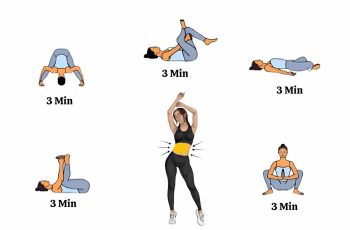
For individuals navigating life with rheumatoid arthritis (RA), the morning can present a significant challenge. Characteristic stiffness, particularly in the smaller joints like the wrists, can linger for hours, turning simple tasks into arduous endeavors. Incorporating a routine of specifically designed, gentle morning stretches can be a transformative practice, offering a pathway to reduced pain, improved mobility, and a better start to the day. This comprehensive guide delves into safe and effective wrist exercises tailored for RA management, ensuring you can approach your morning with confidence and comfort.

Understanding Wrist Stiffness and Pain in Rheumatoid Arthritis
Rheumatoid arthritis is an autoimmune condition where the body’s immune system mistakenly attacks the synovium—the lining of the membranes that surround the joints. This attack triggers inflammation, leading to a buildup of synovial fluid, which causes swelling, pain, and the classic symptom of prolonged morning stiffness. The wrist is a common target for this inflammation due to its complex structure of multiple small joints and tendons. Overnight inactivity allows this inflammation to cause fluid accumulation and stiffness, which is why gentle movement upon waking is so crucial. It helps pump out excess fluid, lubricate the joints, and gradually restore range of motion without exacerbating the underlying inflammation.
Preparing Your Body for Safe Morning Stretches
Jumping straight into stretching cold, stiff joints can be counterproductive. A proper warm-up is essential to prepare the tissues for movement and maximize the benefits of your rheumatoid arthritis gentle stretches.
- Heat Therapy: Begin by applying a warm heating pad or a warm towel to your wrists and hands for 5-10 minutes. Alternatively, performing these stretches after a warm shower can be immensely beneficial, as the warm water helps relax muscles and ease joint stiffness.
- Gentle Warm-up Movements: Before any stretching, initiate blood flow with very subtle movements. Slowly open and close your hands, make tiny, gentle circles with your wrists, or lightly massage the forearm muscles.
- Mindful Breathing: Practice deep, diaphragmatic breathing. Inhale slowly through your nose, and exhale through your mouth. This oxygenates the blood and helps relax your entire body, reducing tension around the joints.
Essential Gentle Wrist Stretch Techniques for RA
Perform these exercises slowly and smoothly, never forcing a movement. The goal is to feel a gentle pull, not sharp pain.
1. Gentle Wrist Flexion and Extension
This fundamental movement addresses the most common directions of wrist motion, crucial for combating RA morning wrist stiffness.
- Proper Form: Sit comfortably with good posture. Rest your forearm on a table, with your hand hanging off the edge, palm facing down. Using your other hand, gently press the back of your hand downward, bending the wrist toward the floor (flexion). Hold for a gentle 10-15 seconds. Return to neutral. Now, turn your palm up and gently press the fingers back toward your body (extension). Hold for another 10-15 seconds.
- Safety Tips: Keep your movements incredibly controlled. The assisting hand should guide, not force. Never jerk or bounce. Breathe deeply throughout the stretch to release tension.
2. Wrist Circles for Mobility
This exercise promotes overall joint mobility and lubrication in the wrist.
- Proper Form: Extend your arm out in front of you at a comfortable height. Slowly and deliberately, make small circles with your hand, moving only at the wrist joint. Imagine you are gently tracing a small coin with your fingertips.
- Safety Tips: Keep the circles small to start. Focus on smooth, controlled motion rather than a large range of movement. Perform 5-8 circles clockwise, then reverse direction for another 5-8 circles.
3. Prayer Position Stretch
This is an excellent stretch for promoting symmetry and flexibility in both wrists simultaneously.
- Proper Form: While sitting or standing, bring your palms together in a prayer position in front of your chest, with fingers pointing upward. Your elbows should be slightly away from your body. Keeping your palms pressed together, slowly lower your hands toward your waist until you feel a mild to moderate stretch in your wrists. Hold this position for 20-30 seconds.
- Safety Tips: Ensure your shoulders remain relaxed, not hunched. The stretch should be felt in the wrists and forearms, not the elbows or shoulders. If bringing the hands down is too intense, keep them at chest level and simply press the palms together.
4. Finger Walk Stretch
This stretch is fantastic for improving overall range of motion and dexterity.
- Proper Form: Stand facing a wall, about an arm’s length away. Place your fingertips on the wall at waist level, with your elbow slightly bent. Slowly “walk” your fingers up the wall, like a spider, until you feel a gentle stretch. Hold for 10 seconds, and then slowly walk them back down.
- Safety Tips: Keep your movements slow and controlled. Do not overstretch to the point of pain. Your body can lean slightly toward the wall as your fingers climb, but your feet should remain planted.
Modifying Exercises and Important Considerations
Listening to your body is the most critical rule when managing RA with exercise.
- During Flare-ups: Intensity and goals must change. During periods of high disease activity and significant swelling, the focus should shift from stretching to rest. Gentle, passive range-of-motion movements (perhaps moving the wrist just a few degrees) or simply resting the joint may be best. Always consult your rheumatologist or physical therapist for guidance during a flare.
- For Severe Stiffness or Deformity: If your RA has led to joint changes, these exercises may need significant modification. A physical or occupational therapist can provide personalized adaptations, such as performing movements in warm water (aquatic therapy) or using assistive devices.
- Pain vs. Discomfort: Learn to distinguish between the mild discomfort of a tight muscle and the sharp, shooting pain of an aggravated joint. The former is acceptable; the latter is a clear signal to STOP.
Frequently Asked Questions on RA Wrist Stretches
Q: How often should I perform these gentle wrist stretches for rheumatoid arthritis?
A: For best results, aim to incorporate this routine into your daily morning ritual. Consistency is key for maintaining mobility. However, always be guided by how you feel. On good days, you might do the full routine; on more sensitive days, you might shorten it or only do the gentlest motions.
Q: What if I feel pain during a stretch?
A: Stop the exercise immediately. Pain is an indicator that you are either stretching too far, too soon, or that the joint is too inflamed for stretching at that moment. Apply a cold pack if there is swelling and rest the joint. Consult your healthcare provider if pain persists.
Q: Can these stretches reverse joint damage from RA?
A: No, stretching cannot reverse structural damage caused by RA. However, it is a vital component of management. These stretches help maintain flexibility in the surrounding muscles and tendons, preserve existing range of motion, reduce stiffness, and improve functional ability, all of which contribute to a better quality of life.
Q: How long will it take to see improvements in my morning stiffness?
A: Results vary from person to person. Some may feel immediate relief after a session, while long-term reduction in baseline stiffness may take several weeks of consistent practice. The benefits are cumulative, so patience and regularity are essential.
Conclusion: Building a Sustainable Routine
Managing rheumatoid arthritis morning stiffness is an ongoing process, and these gentle wrist stretches are a powerful tool in your self-care arsenal. By starting your day with mindful movement, proper warm-up, and a listening ear to your body’s signals, you can significantly improve your wrist mobility and comfort. Remember, this routine is a supplement to, not a replacement for, the disease-modifying treatments prescribed by your doctor. For a holistic approach, explore our guides on [hand stretches for arthritis] and [creating a daily RA management schedule].
Start your journey toward more manageable mornings today. Share your experiences and progress in the comments below—your story could inspire someone else on their path to living well with RA.